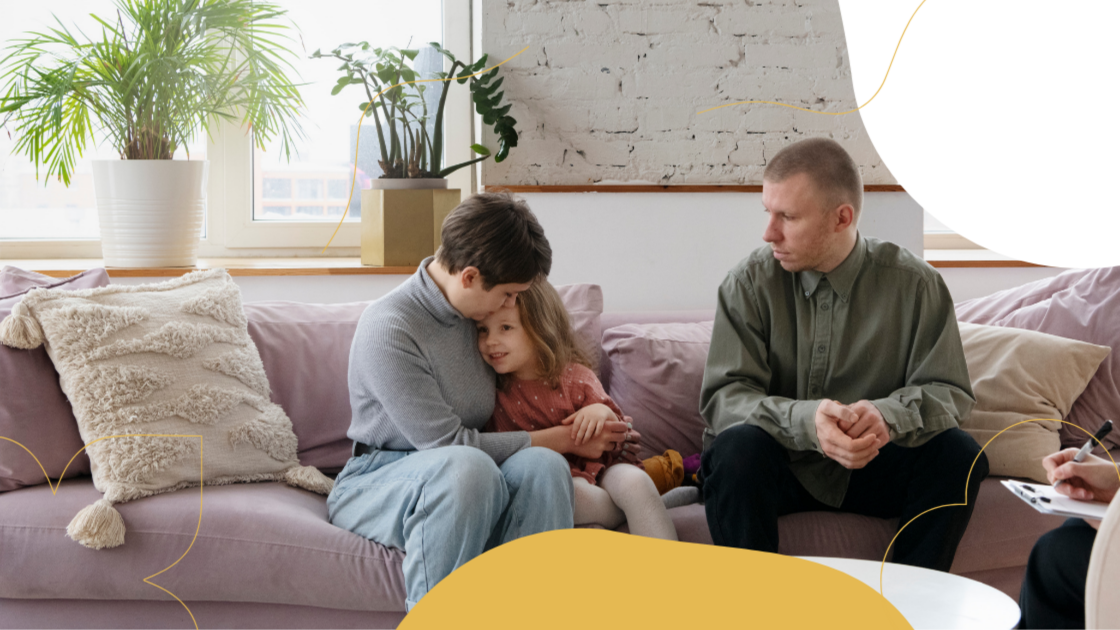
Parental responsibility is a legal concept that determines who has the right to make decisions about a child's upbringing, including decisions about education, medical treatment, and religious upbringing. Understanding who holds it and what it means is important for any parent involved in a dispute about their children.
Who Automatically Has Parental Responsibility?
Mothers automatically have parental responsibility from birth.
Fathers automatically have parental responsibility if they are married to the mother at the time of the child's birth, or if they are registered on the birth certificate as the father after December 2003.
Unmarried fathers who are not on the birth certificate do not automatically have parental responsibility. They need to acquire it through one of the routes below.
How Can a Father Acquire Parental Responsibility?
An unmarried father who does not have parental responsibility automatically can acquire it by marrying the mother, by re-registering the child's birth with his name included, through a parental responsibility agreement signed by both parents, or by applying to the court for a parental responsibility order.
Courts will generally grant a parental responsibility order to a father who has shown commitment to and attachment with the child. Parental responsibility orders are rarely refused where the father has played an active role in the child's life.
What Does Parental Responsibility Actually Allow You to Do?
Parental responsibility gives you the right to be involved in major decisions about the child, including choosing a school, consenting to medical treatment, applying for a passport, and determining the child's religion. Day-to-day decisions, such as what the child eats or what they watch on television, are made by whoever is caring for the child at the time.
Does Having Parental Responsibility Affect Child Arrangements?
Parental responsibility and child arrangements are separate matters. Having parental responsibility does not automatically give you the right to spend time with your child. Equally, spending time with your child does not require you to have parental responsibility. However, having parental responsibility strengthens your standing in any child arrangements proceedings.
Can Parental Responsibility Be Removed?
Parental responsibility can only be removed by a court order, and this is rare. It is most commonly considered in cases of serious abuse or neglect. A parent who holds parental responsibility retains it even if a child arrangements order is made for the child to live primarily with the other parent.
Summary
Mothers and married fathers automatically have parental responsibility. Unmarried fathers acquire it through registration, agreement, or a court order. Parental responsibility gives the right to participate in major decisions about a child's upbringing. It is separate from child arrangements and can only be removed by the court in serious cases.
Our team is here to help you move forward. Tell us about your case and we help connect you with the right barrister. Get in touch with Barrister Connect.
Need advice or representation?
Instruct a specialist barrister directly, without a solicitor. Tell us about your matter and we will match you with the right expert.
Need advice or representation?
Instruct a specialist barrister directly, without a solicitor. Tell us about your matter and we will match you with the right expert.
Submit your case →